Taking the leap from an aircraft thousands of feet above the ground is an exhilarating experience that many dream of, but preparing for your first parachute jump involves more than just summoning courage. Understanding what to wear and which accessories are essential can make the difference between a memorable adventure and an uncomfortable ordeal. From selecting the right clothing to ensuring you have appropriate headgear and footwear, every detail matters when you are about to embark on your first tandem skydive. This guide will help you dress smartly, stay safe, and enjoy every moment of your parachuting experience.
Choosing the Right Outfit for Your First Parachute Jump
Prioritising Comfort and Safety in Your Clothing Selection
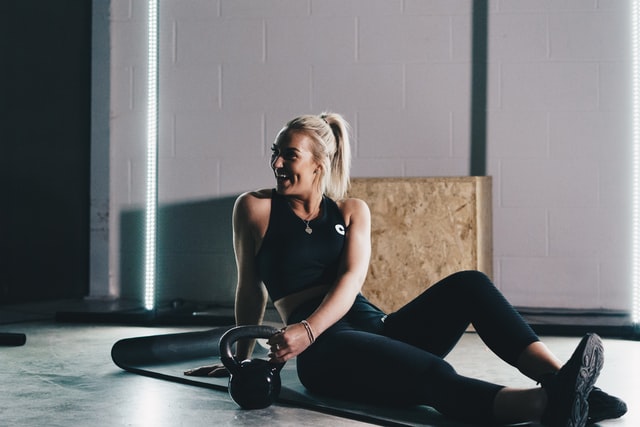
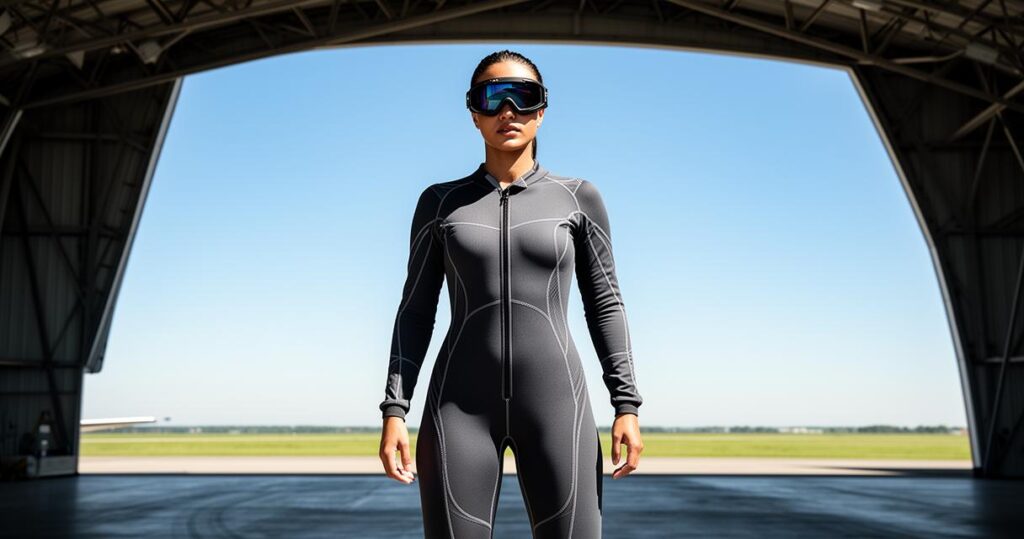
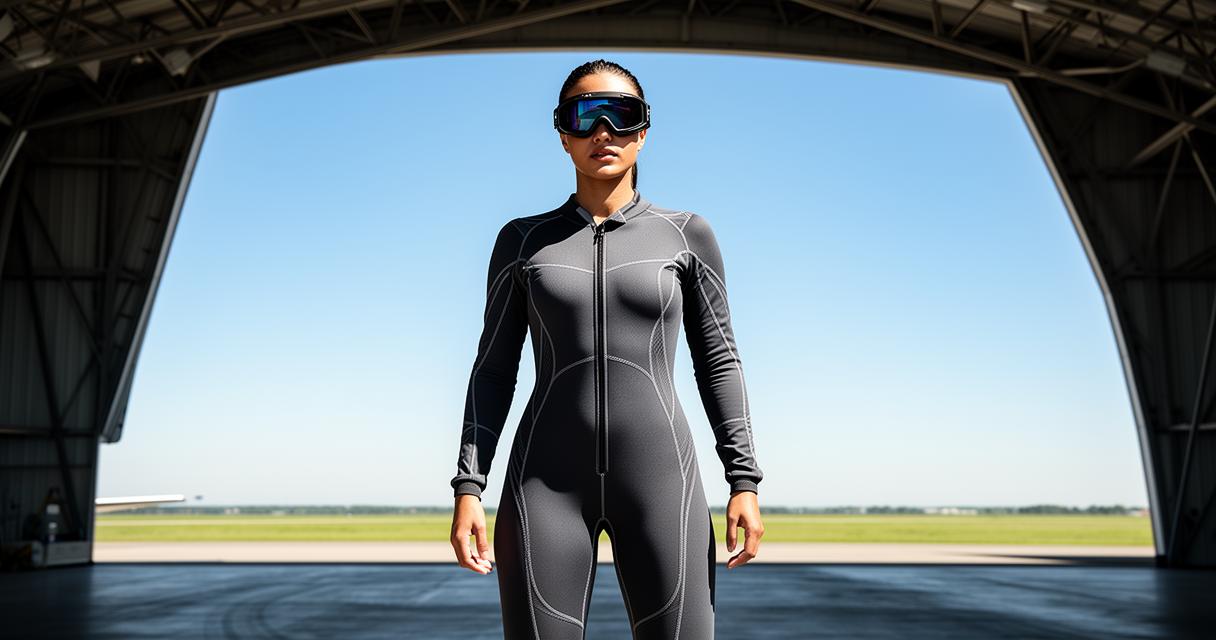
When preparing for your first parachute jump, the clothing you choose should strike a balance between comfort and safety. Experienced skydiver instructors recommend wearing comfortable, close-fitting, and stretchy clothing that allows you to move freely without restriction. Joggers, leggings, or athletic trousers are ideal choices, as they provide flexibility and ease of movement during freefall and canopy flight. Pairing these with a snug-fitting jumper or long-sleeved top ensures that your arms and legs remain protected from the rush of wind and the cooler temperatures encountered at higher altitudes.
It is crucial to avoid bulky items that can flap around during the jump, as loose clothing can become a distraction or even a safety hazard. Stretchy clothing that fits well against your body will not only keep you comfortable but also allow your tandem instructor to securely attach the harness. Jeans are acceptable provided they do not restrict your range of motion, but they should not be too tight or too loose. Long sleeves and long trousers are highly recommended to protect your skin from abrasion and exposure to the elements during the descent and landing.
Another important consideration is the layering of your outfit. As you ascend to altitude, the temperature drops significantly, so dressing in layers can help you stay warm without overheating on the ground. A base layer that wicks moisture away from your skin, combined with a comfortable jumper or hoodie, will keep you cosy throughout the experience. Remember, the drop zone can also be muddy, especially after rain, so bringing spare socks and footwear is a wise precaution to ensure you remain comfortable after your jump.
Dressing Appropriately for Altitude and Weather Conditions
Weather conditions play a vital role in skydiving, and your attire should be chosen with this in mind. The temperature at altitude can be considerably colder than on the ground, so even on a warm day, wearing layers is advisable. The wind chill during freefall can be intense, and without adequate clothing, you may find the experience less enjoyable. A lightweight, breathable jumper over a long-sleeved shirt provides a good balance, allowing you to stay warm without feeling weighed down by heavy garments.
On the day of your jump, the staff at certified drop zones such as Skydive Langar will assess the weather conditions to ensure safety. While waiting for optimal conditions, you may spend some time at the airfield, so dressing comfortably for both indoor and outdoor environments is sensible. If the weather is particularly cool or if the jump is scheduled for early morning or late afternoon, consider wearing additional layers that can be easily removed if needed. Gloves are also suggested for warmth, particularly if you are prone to cold hands. Opt for gloves that offer grip and flexibility, avoiding woolen materials that can become slippery or uncomfortable during the jump.
It is equally important to consider the landing conditions. The ground at the drop zone may be uneven or muddy, so wearing appropriate footwear is essential. Trainers with laces are the recommended choice, as they provide the necessary support and flexibility for a safe landing. Avoid wearing bulky boots, high heels, flip-flops, or any footwear that could come off easily during the jump. Secure, lace-up footwear ensures that your feet remain protected and that you can maintain proper landing technique, which involves lifting your legs as instructed by your tandem instructor.
Essential Headgear and Protective Accessories for Skydiving
Understanding the Importance of Goggles and Eye Protection
Eye protection is a critical component of skydiving gear, as the rush of wind during freefall can make it difficult to keep your eyes open without proper goggles. For tandem skydives, goggles are typically provided by the drop zone and are designed to fit securely over your face, offering clear vision throughout your descent. These goggles are specially designed to withstand the high-speed winds experienced during freefall, which can reach speeds of over one hundred miles per hour.
While tandem jumpers are not required to wear helmets, lighter headwear such as a beanie or headband may be worn if desired, although it is important to ensure that any headwear does not interfere with the harness or the instructor's ability to communicate. Solo skydivers, however, must wear a helmet for safety reasons, and this is provided as part of the standard equipment during training. For first-time jumpers participating in a tandem skydive, the emphasis is on simplicity and comfort, allowing the instructor to manage all technical aspects of the jump.
Hair management is another consideration when preparing for your jump. Long hair should be tied back securely to prevent it from whipping around during freefall and obstructing your view or that of your instructor. A simple ponytail or braid is sufficient, and avoiding hair accessories with metal components or loose strings is advisable, as these can become caught in the harness or other equipment. Keeping your hair secure ensures a smoother and more enjoyable experience, allowing you to focus on the thrill of the jump rather than managing unruly locks.
Selecting Proper Footwear for a Safe Landing
Footwear is one of the most important aspects of your skydiving outfit, as the right shoes can significantly impact your landing experience. Trainers are the preferred choice for first-time jumpers, as they offer the flexibility and support needed to absorb the impact of landing. Lace-up footwear is essential, as it ensures that your shoes remain securely on your feet throughout the jump and landing. Avoid wearing boots that are too rigid or heavy, as these can limit your range of motion and make it harder to maintain the correct landing position.
When selecting trainers for your jump, choose a pair that fits snugly and comfortably, with adequate ankle support. The landing phase of a tandem skydive requires you to lift your legs as instructed by your tandem instructor, allowing them to take the initial impact. Proper footwear will help you maintain this position and reduce the risk of injury. Additionally, since the ground at the drop zone can be muddy or uneven, wearing trainers with good grip will help you navigate the terrain safely after you have landed.
Bringing spare footwear is also a practical tip, especially if the weather has been wet or if the drop zone is located in a rural area such as Langar Airfield. Muddy conditions are common, and having a clean pair of shoes to change into after your jump will ensure you remain comfortable for the rest of the day. Some drop zones may also have changing facilities, so packing a small bag with extra socks and a spare pair of trainers is a thoughtful way to prepare for all eventualities.
Preparing for your first skydiving experience
Budgeting for Your Jump: Prices, Lessons, and Certifications
Planning your first parachute jump involves not only choosing the right outfit but also understanding the financial investment required. Tandem skydive experiences vary in price depending on the location and the services included. At Skydive Langar, for example, the experience includes approximately forty-five seconds of freefall, a scenic flight to altitude, and the guidance of a qualified tandem instructor. Prices at other locations, such as those in New Zealand, can range from around three hundred to over four hundred pounds, depending on the altitude and additional services such as video packages.
For those interested in pursuing skydiving beyond a single tandem jump, options such as the AFF course provide a pathway to becoming an experienced skydiver. The Accelerated Freefall course involves a series of jumps where you learn to control your body in freefall, deploy your parachute, and navigate under the canopy. This course is more comprehensive and requires a greater financial commitment, but it offers the opportunity to achieve certification and eventually jump solo. Packing courses are also available for those who wish to learn how to pack their own parachutes, a skill that is essential for any serious skydiver.
When budgeting for your jump, it is also worth considering additional costs such as video packages, which allow you to capture the experience on camera. These packages are highly popular among first-time jumpers, as they provide a lasting memento of the adventure. Some drop zones also offer photos taken during the jump, which can be purchased separately. It is advisable to check with the drop zone in advance to understand what is included in the base price and what additional services are available.
Top Tips for Creating an Unforgettable Parachuting Adventure
To ensure your first parachute jump is as memorable and enjoyable as possible, there are several practical tips to keep in mind. First and foremost, arrive at the drop zone well-rested and in good physical condition. Skydiving is a physically demanding activity, and being well-prepared will help you make the most of the experience. Eating a light meal before your jump is recommended, as this will provide you with energy without causing discomfort during the flight or freefall. It is equally important to avoid alcohol for at least eight hours before your jump, as this is a strict safety requirement at all certified drop zones.
When you arrive at the drop zone, you will be asked to complete paperwork and may undergo a pre-assessment, particularly if you weigh over one hundred kilograms. The weight restrictions are in place to ensure that the parachute system, which includes the instructor and approximately twenty-three kilograms of gear, operates safely. There is no maximum age for tandem skydiving, but participants must be at least sixteen years old, and those under eighteen require written parental consent. For younger jumpers, a minimum weight of thirty to forty kilograms is recommended to ensure safety during the jump.
During the briefing, your tandem instructor will explain the body position known as the arch, which is essential for a stable freefall. You will also be instructed on how to lift your legs during landing, allowing the instructor to take the initial impact. Breathing normally during freefall is important, as the air will support you and the sensation is more akin to flying forward than falling downward. Trusting your instructor and following their guidance will help you feel more confident and relaxed throughout the experience.
Finally, remember to smile for the camera and enjoy every moment of your jump. Skydiving is a unique and thrilling adventure that offers a perspective on the world few ever experience. Whether you are jumping at Skydive Langar or another certified drop zone, the combination of adrenaline, freedom, and breathtaking views makes it an unforgettable experience. Booking your jump in advance, especially during peak seasons, is advisable to secure your preferred date and time. The office at Skydive Langar operates seven days a week, with office hours from half past eight in the morning until half past four in the afternoon, and can be contacted by phone or email to arrange your booking. Preparing thoroughly, dressing appropriately, and following safety guidelines will ensure that your first parachute jump is a safe, enjoyable, and truly memorable adventure.