
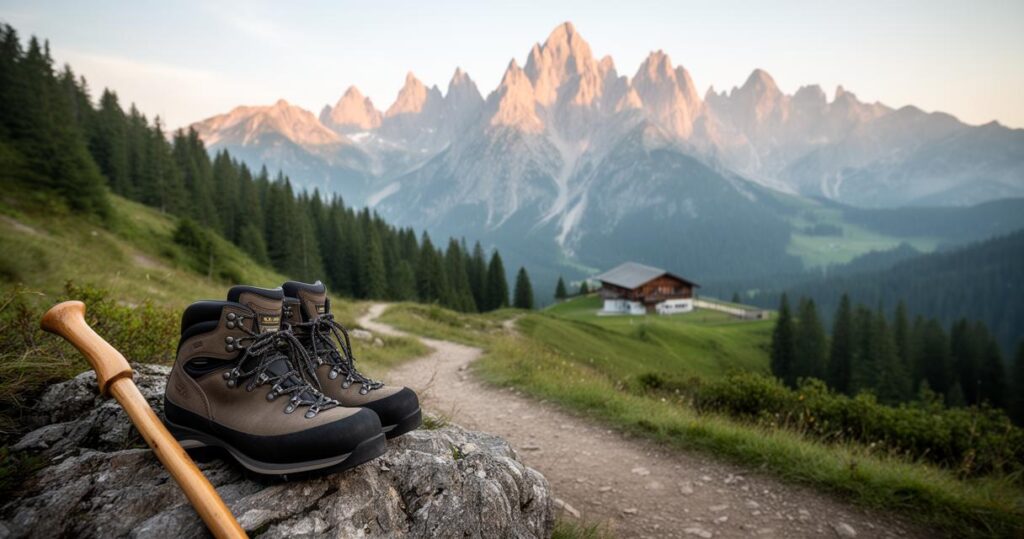
Nestled within the heart of Germany, Bavaria offers hikers an extraordinary playground where towering alpine peaks meet serene crystal-clear lakes and centuries-old castles punctuate verdant valleys. Whether you are a seasoned trekker seeking challenging ascents or a family looking for gentle strolls through enchanting forests, the Bavarian Alps promise a remarkable outdoor experience. From the bustling streets of Munich to the remote trails of Berchtesgaden, this region combines natural splendour with rich cultural heritage, making every journey both an adventure and a discovery.
Planning your bavarian hiking adventure: essential preparation and route selection
Embarking on a hiking trip in Bavaria requires thoughtful preparation to ensure both safety and enjoyment. The region's diverse topography means that selecting the right route depends largely on your fitness level, available time, and the kind of scenery you wish to encounter. For those new to alpine trekking, it is advisable to begin with trails that feature moderate altitude gain and well-marked paths, gradually building confidence before attempting more strenuous climbs. Experienced hikers, on the other hand, may relish the challenge of multi-day treks across rugged terrain, where elevation gain can exceed six thousand feet and the landscapes shift dramatically with every kilometre covered.
Understanding the difficulty levels of various trails is crucial. Many routes are categorised as easy, medium, or difficult based on factors such as distance, altitude gain, and trail conditions. An easy hike might involve a leisurely walk through a forest with minimal ascent, perfect for families and those looking to picnic amidst nature. Medium difficulty trails often include steadier climbs and longer durations, requiring a reasonable level of fitness and stamina. Difficult hikes demand serious effort, involving steep ascents, technical sections, and extended hours on the trail. Before setting out, it is wise to research the specific characteristics of your chosen route, including weather conditions and any seasonal considerations that might affect accessibility.
Choosing the Right Base: From Garmisch-Partenkirchen to Berchtesgaden
Selecting an appropriate base for your hiking adventure can significantly enhance your experience. Munich serves as an excellent starting point, offering convenient access to numerous trailheads and serving as a cultural hub where you can immerse yourself in Bavarian traditions before or after your trek. The city is well connected by public transport, making it straightforward to reach popular hiking areas without the need for a car. For those who prefer to be closer to the mountains, towns such as Garmisch-Partenkirchen and Berchtesgaden provide immediate proximity to some of the region's most iconic trails and stunning vistas.
Garmisch-Partenkirchen sits at the foot of the Zugspitze, Germany's highest peak, and offers a wealth of accommodation options ranging from cosy guesthouses to luxurious hotels. The town itself is picturesque, with traditional alpine architecture and a vibrant atmosphere that appeals to both adventurers and those seeking relaxation. Meanwhile, Berchtesgaden, located near the Austrian border, is the gateway to the Berchtesgaden National Park, where dramatic landscapes and pristine lakes such as Königssee await exploration. Staying in these areas not only reduces travel time to trailheads but also allows you to soak in the authentic alpine ambiance that defines Bavaria.
Practical considerations: accommodation, parking spots, and eco-friendly travel options
When planning your trip, practical details such as accommodation, parking, and transportation options deserve careful attention. Many hiking destinations in Bavaria offer a range of lodging, from mountain huts known for their hearty meals and rustic charm to modern hotels equipped with all the amenities. For those embarking on multi-day treks, staying in trail huts provides a unique experience where you can enjoy fresh food and comfortable bunk rooms after a long day on the trails. These huts eliminate the need to carry heavy camping gear, allowing you to focus on the journey itself.
Parking information is readily available for most popular trails, with designated spots near trailheads that can fill quickly during peak seasons. Arriving early in the morning is often recommended to secure a space and to begin your hike during the cooler, quieter hours. However, embracing eco-friendly travel options can enhance your experience while reducing your environmental footprint. Public transport in Bavaria is efficient and extensive, with buses and trains connecting major towns to remote hiking areas. Opting for these services not only alleviates the stress of driving on unfamiliar mountain roads but also contributes to sustainable tourism practices that help preserve the natural beauty of the region for future generations.
Bavaria's most stunning hiking routes: lakes, castles, and alpine panoramas
Bavaria boasts an impressive array of hiking routes that showcase the region's diverse landscapes. From tranquil lakeside paths to demanding mountain ascents, there is a trail to suit every preference and ability. The natural beauty of the Bavarian Alps is complemented by cultural landmarks, including fairy-tale castles and charming villages, making each hike a journey through both nature and history.
Family-Friendly Trails Around Eibsee, Hintersee, and Königssee: Daily Hikes with Beautiful Views
For families and those seeking leisurely day hikes, the trails around Lake Eibsee, Hintersee, and Königssee are perfect choices. Lake Eibsee, situated at the base of the Zugspitze, offers a relatively easy circuit of approximately seven kilometres with minimal altitude gain, taking around two hours to complete. The path meanders along the lakeshore, providing stunning reflections of the surrounding peaks on the water's surface. The turquoise hues of the lake, combined with the alpine backdrop, create a scene of unparalleled beauty that captivates visitors of all ages.
Hintersee, nestled within the Berchtesgaden National Park, is another gem that promises a peaceful hiking experience. The trail through Zauberwald Forest to Hintersee Lake is classified as easy, spanning roughly three hours with an altitude gain of just two hundred and twenty-five metres. The forest itself feels almost enchanted, with moss-covered boulders, ancient trees, and gentle streams creating an atmosphere of tranquillity. Once you reach the lake, the panoramic views of the surrounding mountains provide an ideal spot for picnicking and relaxation.
Königssee, often described as one of Germany's most beautiful lakes, offers several easy and medium difficulty trails that reveal breathtaking vistas at every turn. The area is renowned for its crystal-clear waters and dramatic cliffs, and a boat trip across the lake can be combined with a hike to Obersee, a smaller alpine lake accessible via a gentle trail. These routes are ideal for families, as they offer spectacular scenery without demanding excessive physical exertion, ensuring that everyone can enjoy the natural splendour of the Bavarian Alps.
Adventurous Treks Through National Parks and Scenic Edges: From Obersee to Neuschwanstein Castle
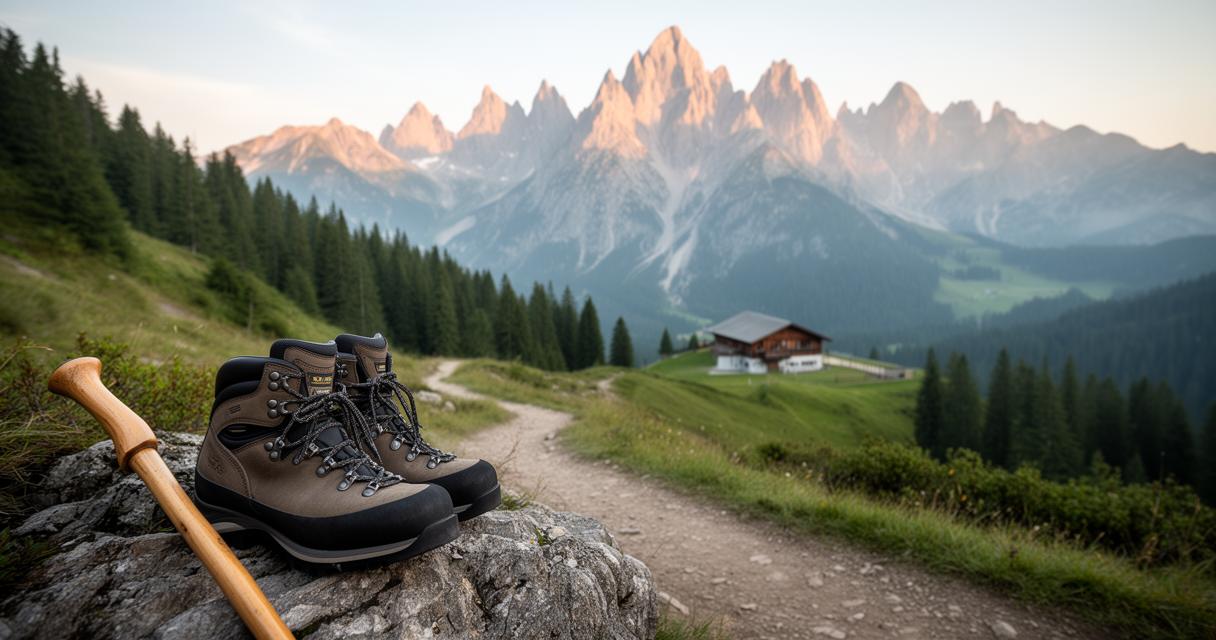
For those seeking more challenging adventures, Bavaria's national parks and mountainous terrain provide countless opportunities for adventurous treks. The hike to Schrecksee, for example, covers approximately seventeen kilometres with an altitude gain of eleven hundred and forty metres, typically taking around seven hours. This trail leads through rugged landscapes, crossing alpine meadows and rocky passages before reaching one of the highest alpine lakes in the region. The sense of accomplishment upon arrival, coupled with the pristine beauty of the lake, makes the effort worthwhile.
Similarly, the trek to Soiernseen involves a distance of twenty kilometres and an altitude gain of twelve hundred metres over roughly eight hours. This route traverses varied terrain, from dense forests to open high-altitude meadows, offering hikers a comprehensive experience of the Bavarian wilderness. The Soiernseen lakes themselves are a reward for the strenuous journey, their tranquil waters set against a backdrop of jagged peaks.
No discussion of Bavarian hiking would be complete without mentioning the iconic Neuschwanstein Castle. While the castle itself is a major tourist attraction, the surrounding trails offer a more intimate way to appreciate this architectural marvel. The winter hike on the Street of Princes to Tyrol, for instance, is of medium difficulty and takes around three hours with an altitude gain of two hundred and fifty metres. This trail provides stunning views of Neuschwanstein and its sister castle, Hohenschwangau, while also revealing the picturesque landscapes that inspired King Ludwig's vision. Combining cultural exploration with outdoor adventure, these trails embody the unique character of Bavaria.
Wildlife Spotting and Cultural Discoveries: Making the Most of Your Bavarian Journey
A hiking trip in Bavaria is not solely about conquering peaks or covering distances; it is also an opportunity to connect with the region's rich biodiversity and cultural heritage. Taking time to observe local wildlife and explore nearby towns and cities adds depth to your journey, transforming a simple hike into a holistic travel experience.
Observing Local Wildlife in the Alps: Tips for Responsible Nature Tourism and Picnicking
The Bavarian Alps are home to a diverse array of wildlife, including chamois, red deer, marmots, golden eagles, and an assortment of smaller mammals and birds. Spotting these creatures in their natural habitat is a thrilling experience, but it requires patience, respect, and a commitment to responsible nature tourism. Early morning and late afternoon are the best times for wildlife observation, as animals are more active during these periods. Carrying a pair of binoculars can enhance your chances of seeing elusive species without disturbing them.
When hiking in areas known for wildlife, it is essential to remain quiet and avoid sudden movements. Staying on marked trails not only protects fragile ecosystems but also reduces the likelihood of startling animals. If you are fortunate enough to encounter wildlife, observe from a distance and refrain from attempting to feed or approach them. Such interactions can disrupt their natural behaviours and, in some cases, pose risks to both humans and animals.
Picnicking in the Alps is a delightful way to savour the scenery while taking a well-deserved break. Choose designated areas whenever possible, and always carry out all rubbish to preserve the pristine environment. Packing reusable containers and avoiding single-use plastics contribute to eco-friendly travel practices. By respecting the natural surroundings and the creatures that inhabit them, you help ensure that Bavaria's wilderness remains unspoiled for future visitors.
Exploring Bavarian Cities and Beyond: Munich, Ettal, Rothenburg ob der Tauber, and Day Trips to Germany's Neighbouring Regions
Beyond the trails, Bavaria's cities and towns offer rich cultural experiences that complement your outdoor adventures. Munich, the region's vibrant capital, is renowned for its historic architecture, world-class museums, and lively beer gardens. Spending a day exploring the city's landmarks, such as the Marienplatz and the English Garden, provides a fascinating contrast to the serenity of the mountains. The city also serves as a convenient hub for accessing hiking areas, with excellent public transport links to destinations throughout Bavaria.
Ettal, a small village nestled in the Alps, is home to the stunning Ettal Abbey, a baroque masterpiece that attracts visitors from around the world. Combining a visit to the abbey with a hike in the surrounding mountains offers a perfect blend of spiritual reflection and physical activity. Similarly, Rothenburg ob der Tauber, a medieval town in Franconia, enchants visitors with its well-preserved walls, cobblestone streets, and half-timbered houses. A day trip to this historic gem allows you to step back in time and appreciate the architectural and cultural heritage that defines Bavaria.
For those with additional time, Bavaria's proximity to neighbouring regions opens up further exploration opportunities. Day trips to Switzerland, Slovenia, or even Sweden can be organised, each offering distinct landscapes and cultural experiences. Whether you are drawn to the alpine meadows of Switzerland, the lakes of Slovenia, or the forests of Sweden, these excursions enrich your understanding of Europe's diverse natural and cultural tapestry. By combining hiking with cultural exploration, your Bavarian adventure becomes a multifaceted journey that engages all the senses and leaves lasting memories.